Uli Palli

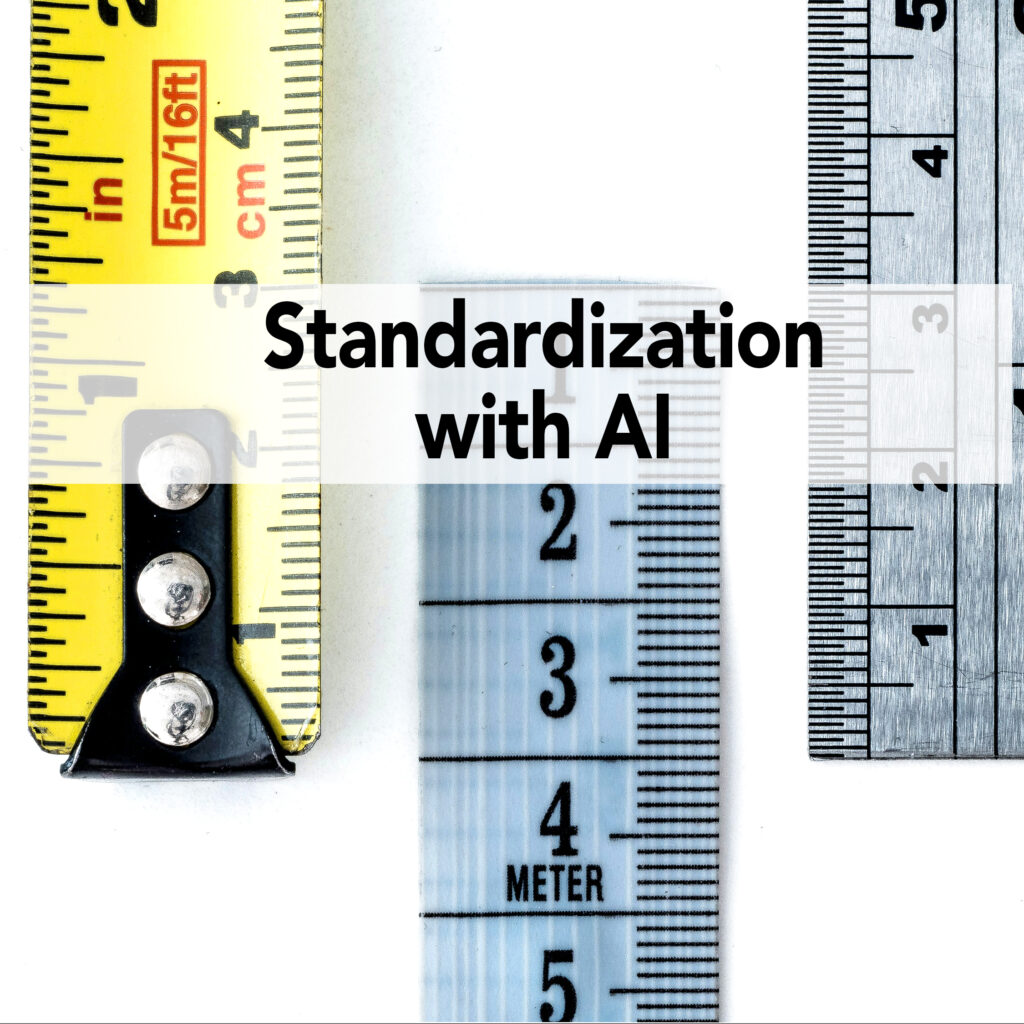
Tape measures overlayed with the words "standardization with AI" Standardization in visual inspection

AI: The Path to Standardization in Visual Inspection

TL;DR: Standardization in visual inspection is where AI shines.  AI models, once trained on diverse, well-labeled examples of good parts and defects, apply the same quality criteria every time: across shifts, lines, and even plants. Unlike human inspection, which varies with fatigue, experience, and interpretation, AI delivers consistent, repeatable calls and a clear audit trail. […]

AI: The Path to Standardization in Visual Inspection Read More »

humans and AI

Keeping Humans in the Loop: the Synergy of Humans and AI on the Shop Floor

TL;DR:Humans and AI on the shop floor work best as partners, not rivals. AI excels at speed, consistency, and pattern recognition in areas like visual inspection and predictive maintenance, while humans bring context, judgment, creativity, and problem-solving. Instead of “AI versus people,” the most effective setups use humans and AI together: AI handles repetitive, high-volume

Keeping Humans in the Loop: the Synergy of Humans and AI on the Shop Floor Read More »

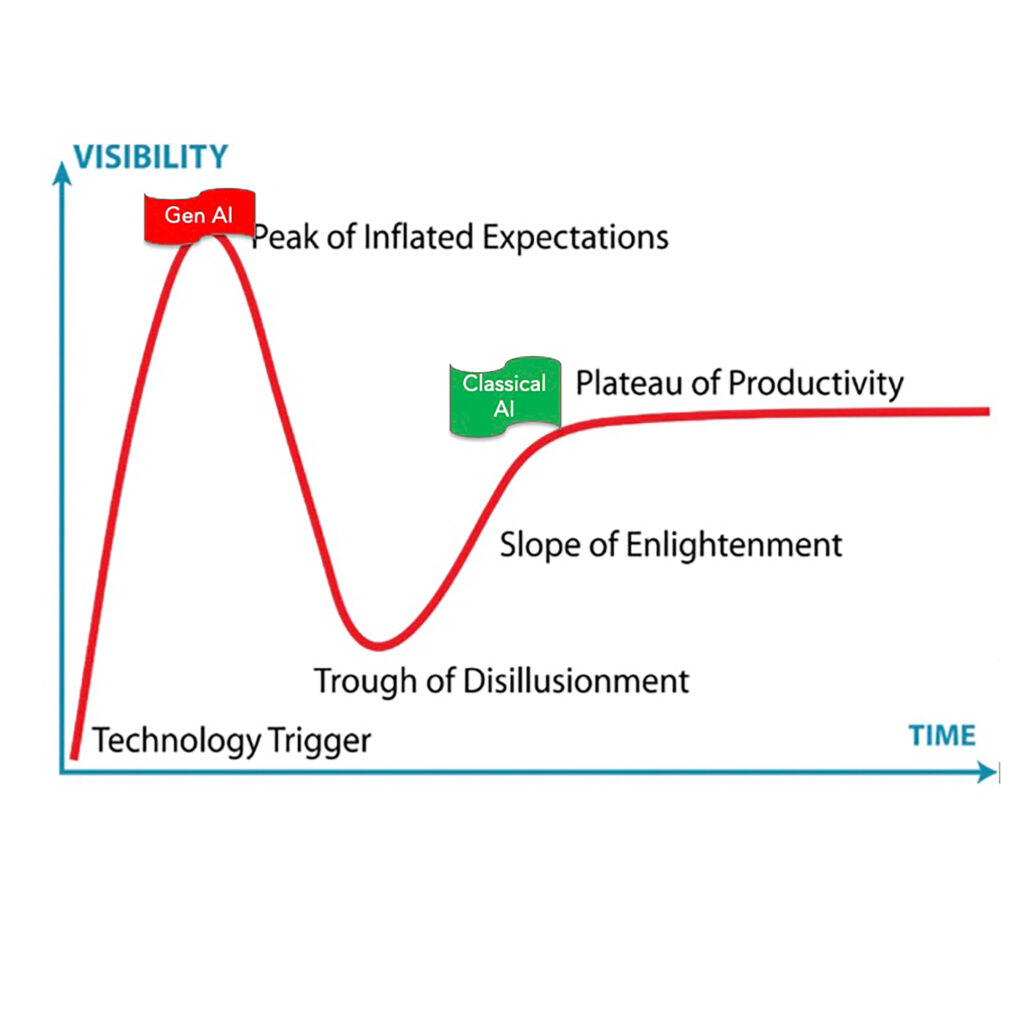
Navigating the Generative AI in Manufacturing Hype Cycle

TL;DR: Generative AI in manufacturing is racing up the hype cycle, and manufacturers are feeling pressure to “do something with GenAI” long before the technology is ready for safety- and quality-critical shop-floor use cases. While generative models are powerful for text, content, and knowledge tasks, they still hallucinate and lack the determinism needed for visual

Navigating the Generative AI in Manufacturing Hype Cycle Read More »

Visual Inspection

Seeing is Believing: How AI is Changing Visual Inspection for Good

TL;DR: Human visual inspection performance drops quickly during repetitive work, which makes consistent defect detection across long shifts hard to sustain. Traditional rule-based vision systems tends to be faster but finicky: small changes in lighting or camera position can cause failures, and product changes often mean costly reprogramming. AI-based visual inspection combines human-like pattern recognition

Seeing is Believing: How AI is Changing Visual Inspection for Good Read More »

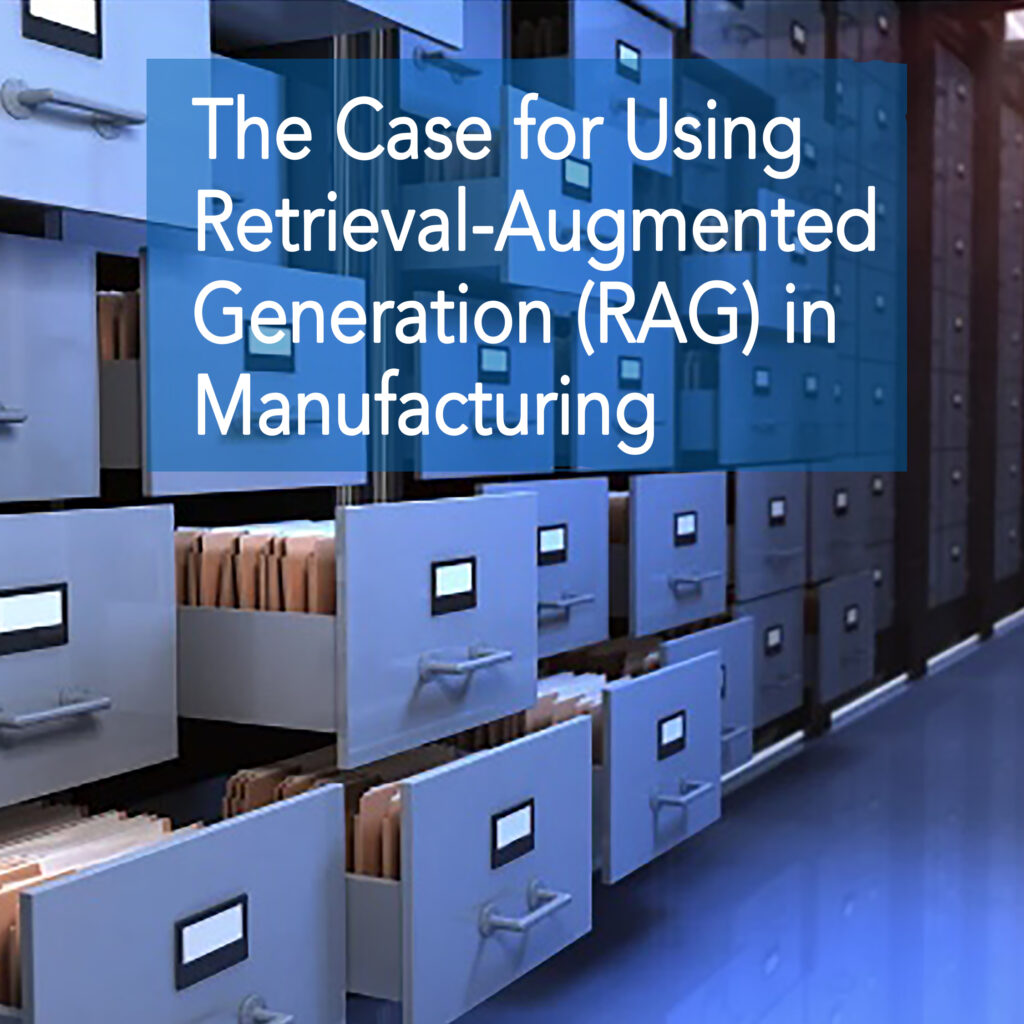
Generative AI for knowledge retrieval in manufacturing - shows old-fashioned filing cabinets

8 Lessons Learned About Generative AI for Knowledge Retrieval in Manufacturing

TL;DR:Generative AI for knowledge retrieval in manufacturing works best when it is grounded in your own documentation and tested like any other production system. This post shares eight practical lessons from building a document-backed assistant: documentation quality matters most; ingestion has real-world constraints; models vary in reliability; prompts and guardrails help keep answers on track;

8 Lessons Learned About Generative AI for Knowledge Retrieval in Manufacturing Read More »

confusion matrix

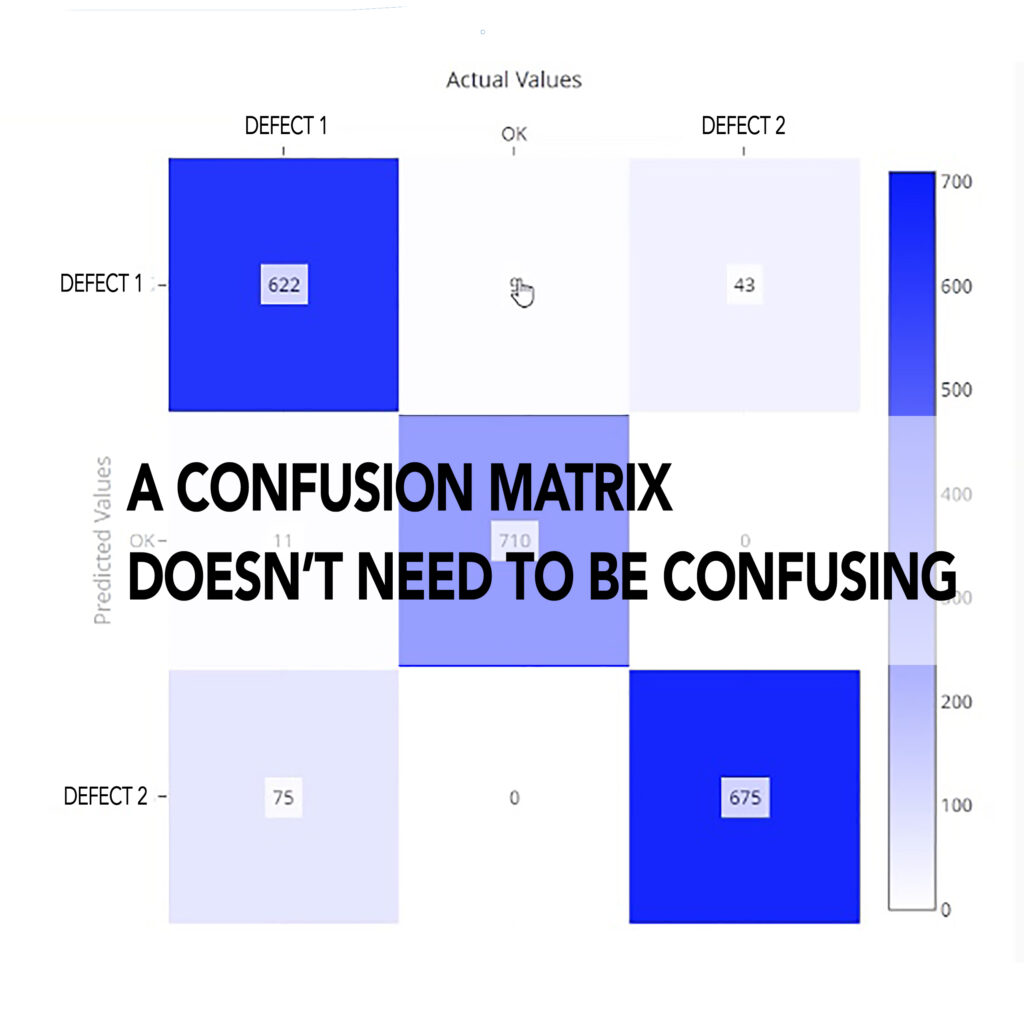
Confusion Matrix for Visual Inspection: Addressing Confusion About AI’s Performance

TL;DR:A confusion matrix for visual inspection is a simple table that compares an artificial intelligence (AI) model’s inspection decisions to the ground truth, showing not just how many parts were classified correctly, but also what kinds of errors occurred. In visual inspection, the four outcomes are true positives (TP) and true negatives (TN), plus two

Confusion Matrix for Visual Inspection: Addressing Confusion About AI’s Performance Read More »

Synthetic data

A Deep-Dive into Synthetic Data in Manufacturing: Definition, Use in Visual Inspection, Advantages and Risks

TL;DR:Synthetic data in manufacturing refers to artificially generated data, such as images or sensor signals, that is designed to resemble real production data and can be used to train and test artificial intelligence (AI) models when real labeled datasets are limited. The blog focuses on quality inspection, explaining how synthetic images can increase training volume,

A Deep-Dive into Synthetic Data in Manufacturing: Definition, Use in Visual Inspection, Advantages and Risks Read More »